
 Reviews


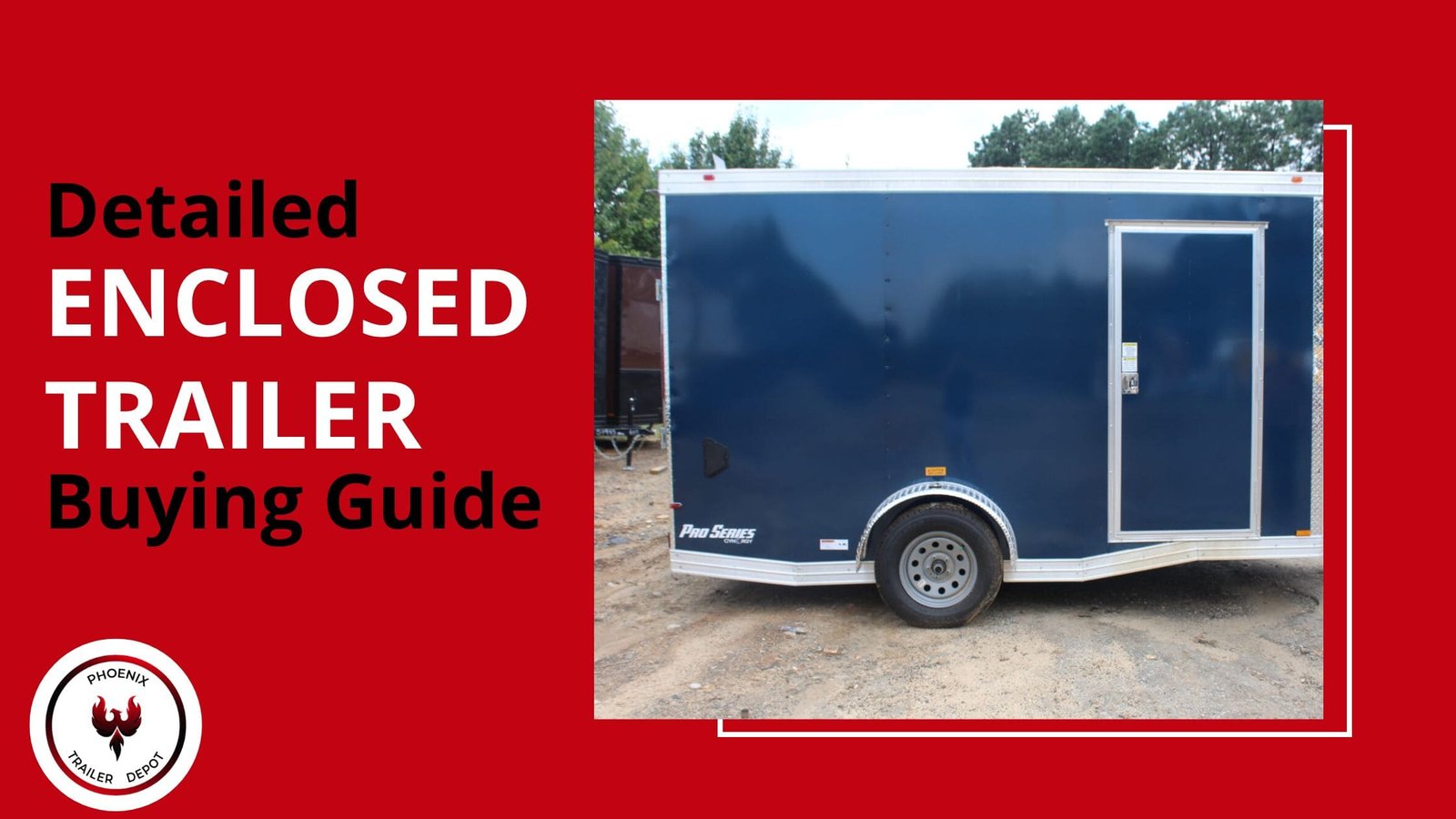
When it comes to transporting valuable goods, equipment, or even vehicles, an enclosed trailer is one of the most reliable options.
Unlike open trailers, it provides complete protection from weather, theft, and road debris, making it a smart investment for both personal and commercial use.
Choosing the right trailer, however, is not as simple as picking the first one you see. Size, material, towing capacity, and long-term durability all play a role in making the best choice.
That’s where this Enclosed Trailer Buying Guide comes in.
In this guide, we’ll walk you through the essentials of buying an enclosed trailer—from understanding different types and benefits to evaluating features, costs, and common mistakes to avoid.
Whether you’re a first-time buyer or upgrading your current trailer, this resource will help you make a confident decision and ensure that your investment delivers safety, utility, and strong resale value.
What Is an Enclosed Trailer?
An enclosed trailer is a non-motorized cargo carrier that attaches to a towing vehicle such as a truck, SUV, or car. Unlike open trailers, which have no protective covering, an enclosed trailer is fully enclosed with solid walls and a roof.
This design provides an extra layer of protection against weather, theft, and road debris, making it a preferred choice for people who value safety and security.
Open trailers are often more budget-friendly and suitable for quick, uncomplicated hauls, while enclosed trailers offer added protection by keeping your cargo hidden, secure, and safe from weather or road debris.
Common uses include:
- Transporting construction tools and equipment
- Hauling vehicles like cars, motorcycles, or ATVs
- Moving household furniture and goods
- Supporting mobile businesses such as vending, workshops, or concessions
Key Benefits of an Enclosed Trailer
Investing in an enclosed trailer offers several long-term advantages that go beyond simply transporting items. Here are the key benefits:
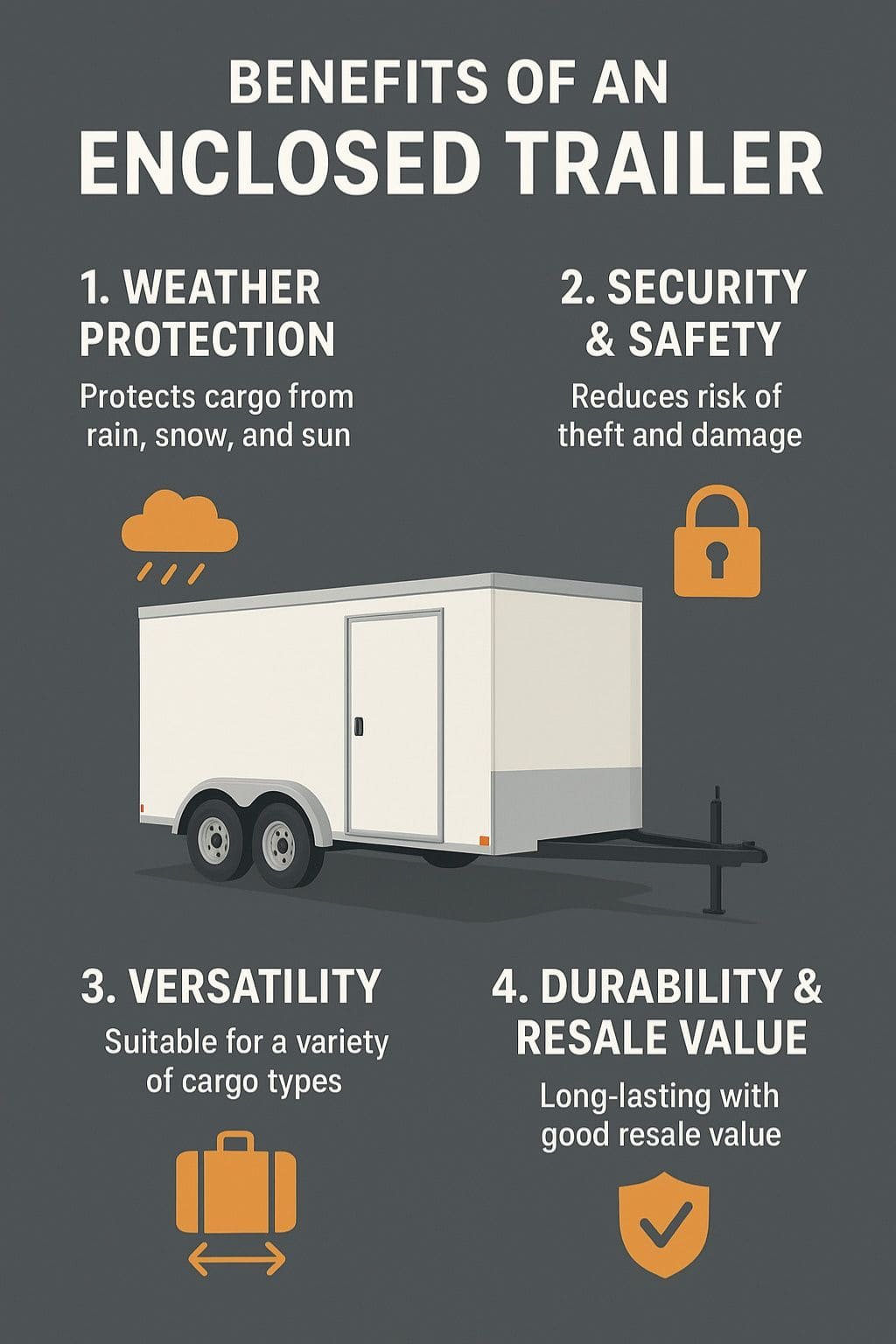
1. Weather Protection
A major benefit of using enclosed trailers is that they provide complete protection from any kind of weather conditions. Rain, snow, or harsh sunlight can easily damage equipment and goods on an open trailer, but an enclosed trailer keeps everything safe and dry.
2. Security & Safety
Enclosed trailers come with lockable doors and solid walls that keep your cargo out of sight and less vulnerable to theft. Whether you’re storing tools, personal items, or expensive equipment, you gain extra peace of mind.
3. Versatility
From hauling cars and motorcycles to serving as mobile workshops or concession stands, enclosed trailers adapt to both personal and business needs. They can even double as temporary storage units.
4. Durability & Resale Value
Enclosed trailers are built from durable materials, ensuring they last for years. Their durability ensures not only long-term use but also good resale value if you decide to upgrade later.
Types of Enclosed Trailers
When selecting an enclosed trailer, it’s essential to understand the various types available, as each is designed for a specific purpose.
1. Cargo Trailers
Cargo trailers are one of the most common types of enclosed trailers, perfect for transporting tools, furniture, and a wide range of general goods. They come in various sizes and are versatile enough for both personal and commercial use.
2. Car Haulers
Specifically built to move cars safely. These trailers feature a wider design and typically include reinforced floors, ramps, and tie-down systems to safely secure vehicles during transport.
3. Motorcycle Trailers
Compact and lightweight, designed to carry one or multiple motorcycles. They usually include features like wheel chocks, tie-down points, and ramps for easy loading.
4. Utility Trailers
Perfect for landscaping equipment, construction materials, or small machinery. They combine strength with easy access, making them suitable for contractors and small businesses.
5. Specialty Trailers
Custom-built for unique purposes such as concession stands, mobile workshops, or event booths. They often include electrical setups, shelving, or insulation based on business needs.
Each type serves different hauling requirements, so selecting the right one ensures efficiency and long-term value.
Factors to Consider Before Buying
Purchasing an enclosed trailer is an investment, and choosing the wrong one can lead to costly mistakes. Consider these factors:
1. Size & Dimensions
The size of the trailer largely depends on what you plan to haul. Single-axle trailers are compact, easier to tow, and suitable for light loads such as tools or small equipment. On the other hand, tandem-axle trailers offer better stability, higher weight capacity, and smoother rides, making them ideal for long-distance hauling and heavy cargo.
2. Weight Capacity & Towing Compatibility
Before buying, match the trailer’s gross vehicle weight rating (GVWR) with your towing vehicle’s capacity. Exceeding weight limits can create safety hazards, strain your vehicle, and even void its warranty. Always check the manufacturer’s recommendations for towing limits.
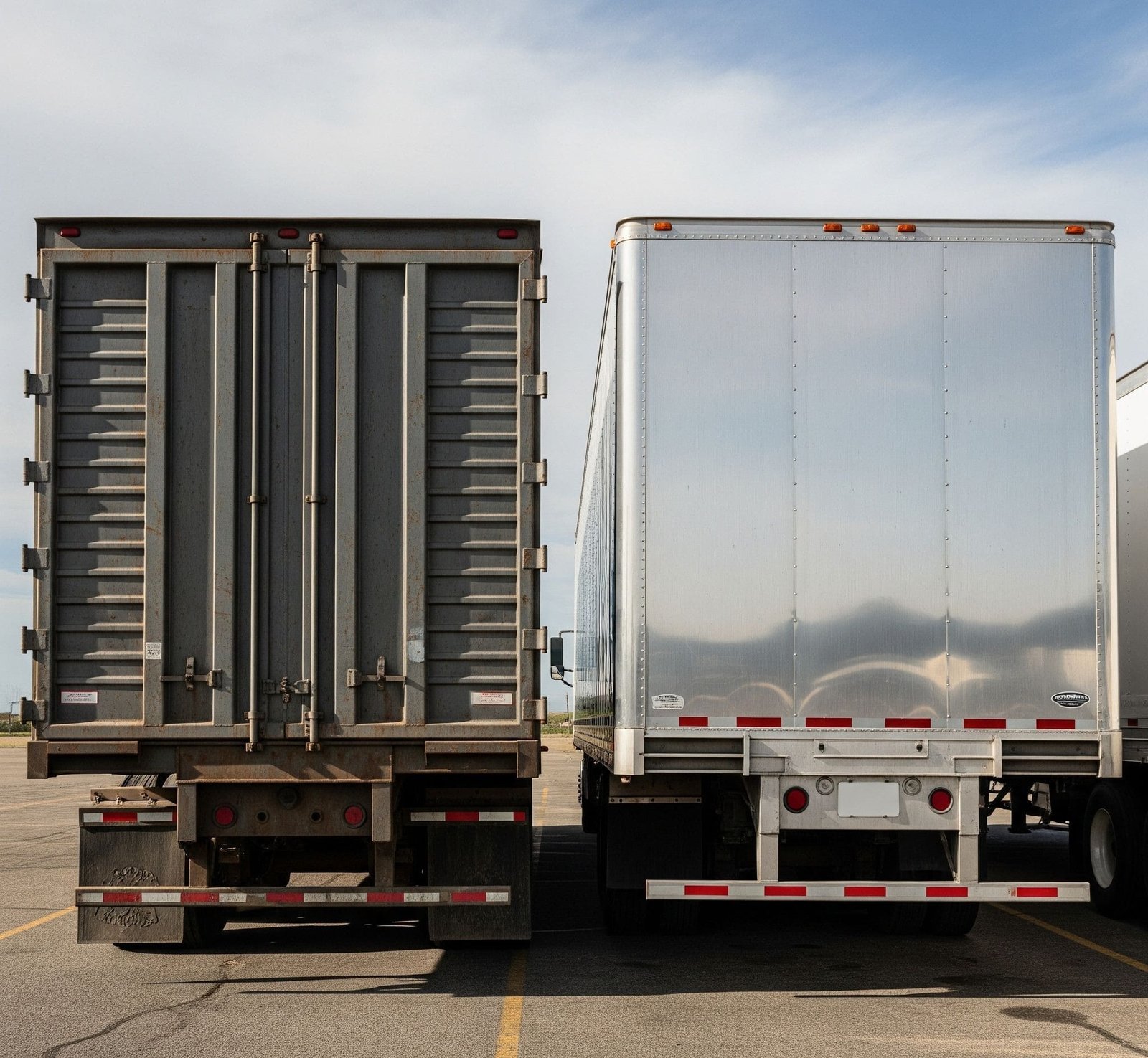
3. Material Choices (Steel vs. Aluminum)
- Steel trailers are sturdy and generally more affordable, but they’re heavier and require maintenance to prevent rust.
- Aluminum trailers are lightweight, corrosion-resistant, and easier on fuel consumption, though they often come at a higher upfront cost.
4. Flooring & Ramp Options
Flooring impacts durability. Standard plywood floors work for most needs, while treated wood, rubber mats, or aluminum floors provide extra strength and longevity. For loading, consider whether you need barn-style doors or a rear ramp door. Ramp doors are best for vehicles and equipment, while barn doors offer easier cargo access.
5. Ventilation & Insulation
If you’re transporting animals, perishable goods, or heat-sensitive equipment, proper airflow and insulation are critical. Roof vents, side vents, and insulated walls can keep the interior cooler and prevent moisture buildup.
6. Doors & Security Features
Look for durable, reinforced locks and latch systems. Side entry doors add convenience, while heavy-duty locks and upgraded security systems protect against theft, especially if you’ll be leaving valuable cargo inside overnight.
Cost & Budget Considerations
The price of an enclosed trailer can vary significantly based on its size, construction material, and included features. On average, small single-axle enclosed trailers can range from $2,000 to $4,000, making them a good entry-level choice for light hauling.
Mid-size tandem axle trailers with higher load capacity typically cost between $5,000 and $10,000. Meanwhile, specialty or custom-built trailers—such as concession, car haulers, or insulated models—can easily exceed $10,000.
Several features significantly impact the final price. Aluminum trailers come with a higher upfront price but require less maintenance in the long run.
Additional upgrades like reinforced flooring, side doors, shelving, ventilation, or climate control add convenience but increase the budget. Security features such as heavy-duty locks or alarm systems also push up costs.
Buyers should also consider financing options vs. outright purchase. Financing spreads payments over time, making high-quality trailers more accessible but adds interest costs.
Paying outright may require a larger initial investment but saves money in the long run. Balancing needs, durability, and budget is key to making a smart decision.
Common Mistakes to Avoid
When buying an enclosed trailer, it’s easy to get caught up in looks or price tags and overlook critical details. Avoid these common mistakes:
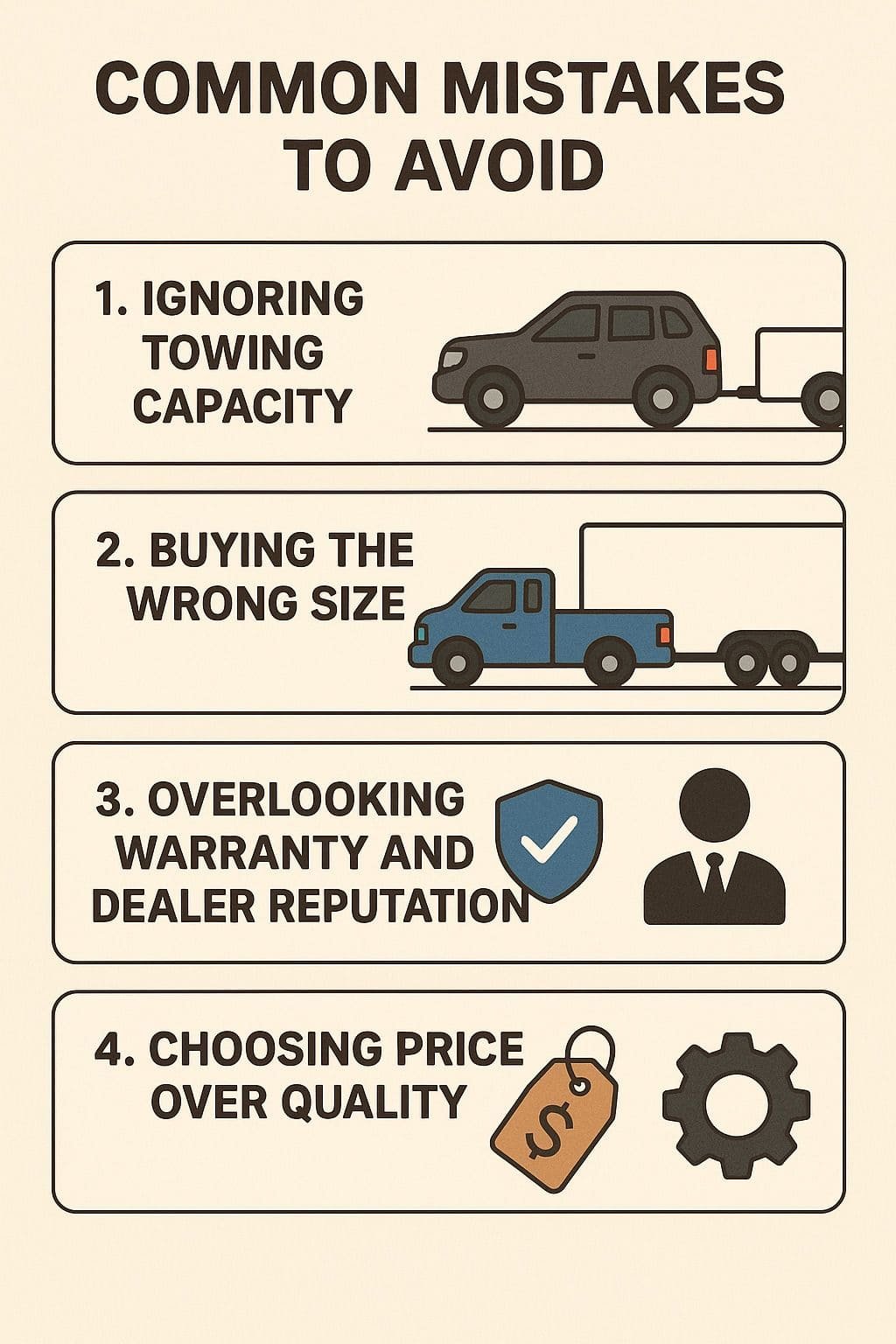
1. Ignoring Towing Capacity
One of the biggest errors is buying a trailer heavier than your vehicle can safely tow. This can cause excessive strain on your engine, poor braking, and even accidents. Always check your vehicle’s towing limits before purchase.
2. Buying the Wrong Size
Too small, and you’ll constantly struggle with space. Too large, and you’ll waste money on higher costs and maintenance. Consider both your current and future hauling needs.
3. Overlooking Warranty and Dealer Reputation
Not all trailers are equal. A reputable dealer provides service support, parts availability, and warranty coverage—things you’ll regret skipping if problems arise.
4. Choosing Price Over Quality
A cheap trailer may save money upfront, but often lacks durability, safety features, or long-term value. So it is always advised to avoid choosing cheap quality trailers.
Conclusion
Buying an enclosed trailer is a long-term investment, and choosing the right one requires more than just looking at price tags. As covered in this enclosed trailer buying guide, you should pay close attention to your towing vehicle’s capacity, trailer size, material, and security features before making a decision.
Considering whether to buy new or used, understanding cost factors, and avoiding common mistakes can save you from unnecessary headaches down the road.
Before you finalize your purchase, take the time to carefully evaluate your needs. Think about what you’ll be hauling most often, how frequently you’ll use the trailer, and which features will give you the best value over time.
A trailer that matches your lifestyle or business goals will serve you reliably for years.
Ready to take the next step? Explore our range of enclosed trailers today or contact us for expert guidance tailored to your needs.
Leave a Reply