
 Reviews


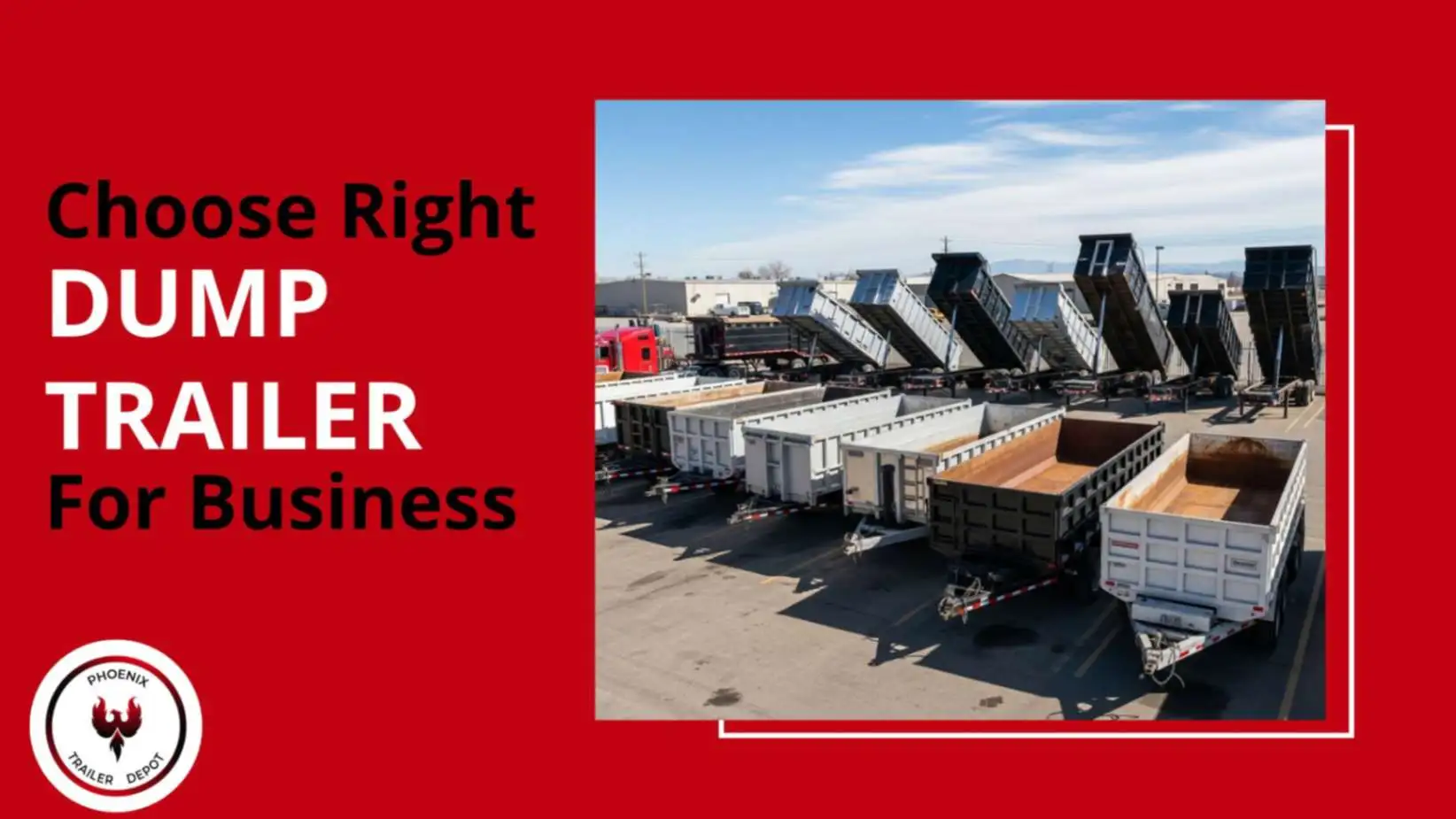
If you run a landscaping company, construction crew, farm, or demolition business, you already know one thing: moving material eats up time, labor, and fuel. The faster and more efficiently you can haul and unload, the better your bottom line. That’s where dump trailers come in, but how to choose the right dump trailer for business?
A dump trailer isn’t just another piece of equipment – it’s a workhorse. The right one saves hours of unloading, reduces strain on your trucks, and makes every job run smoother.
From dump trailer sizes to dump trailer capacity, every choice you make affects how well it fits into your operation. Buy too small, and you’ll waste time running extra loads. Buy too large, and you’ll overspend on equipment you don’t use to its full potential – or worse, overload your tow vehicle.
This guide is here to help you navigate the world of choosing a dump trailer. We’ll break down types, features, sizes, and costs in simple language so you can confidently pick the best dump trailer for business. By the time you’re done reading, you’ll know exactly what to look for and how to compare your options.
What Exactly Is a Dump Trailer?
At its core, a dump trailer is a heavy-duty trailer designed to be hitched to a truck, equipped with a hydraulic lift system that tilts the bed and lets you unload materials quickly. Instead of shoveling gravel by hand or hiring extra crew to unload mulch, you simply raise the bed and let gravity do the work.
Dump trailers are commonly used to haul:
- Gravel and sand
- Dirt and topsoil
- Mulch and compost
- Roofing shingles
- Concrete and demolition debris
- Scrap metal
- Agricultural loads (hay, feed, crops)
The bottom line: if your business involves heavy, loose material, a dump trailer is more than convenient – it’s essential.
Why the Right Dump Trailer Matters for Your Business?
Let’s get real – buying a trailer is an investment. You’re not just spending money, you’re buying efficiency, time savings, and reliability.
Here’s how the right dump trailer for business makes a difference:
- Saves labor costs: Less time unloading means fewer workers on the clock.
- Boosts productivity: More loads per day = more jobs finished.
- Protects equipment: A properly matched trailer prevents strain on your truck.
- Improves safety: Hydraulic lifts and stable axles reduce accident risks.
- Raises profits: Efficiency leads to lower costs and more revenue.
The wrong trailer? That’s wasted fuel, overworked trucks, constant repairs, and frustrated workers.
Key Factors to Consider When Choosing a Dump Trailer
3.1 Dump Trailer Sizes
The first decision is size. Dump trailers come in various lengths, usually 10 to 20 feet, with widths of 6 to 8.5 feet.
- 10–12 ft. trailers: Great for landscaping or smaller businesses. Easy to tow with a half-ton pickup.
- 14–16 ft. trailers: The sweet spot for construction and farm work. Big enough for serious jobs but still maneuverable.
- 18–20+ ft. trailers: Heavy-duty use. Perfect for large-scale demolition or commercial farms.
Think of dump trailer sizes like shoe sizes – buy the wrong one, and you’ll either be uncomfortable (too small) or clumsy (too big).
3.2 Dump Trailer Capacity
Capacity is about weight, not just size. Most dump trailers handle between 5,000 lbs and 14,000+ lbs.
- Light-duty (5,000–7,000 lbs): Landscaping debris, mulch, soil.
- Medium-duty (10,000–12,000 lbs): Concrete chunks, roofing shingles, dirt.
- Heavy-duty (14,000+ lbs): Gravel, demolition debris, large farm loads.
Tip: Don’t push your trailer to its max load every time. Constant maxing out shortens its life. Always aim for a trailer that handles 20–30% more than your typical load.
3.3 Axles & Suspension
Axles are the backbone of a dump trailer.
- Single axle: Cheaper, lighter, easier to maneuver. Best for light-duty use.
- Tandem axle (dual): Offers better stability and can handle heavier loads. Essential for most businesses.
- Triple axle: Rare, but sometimes used for oversized commercial operations.
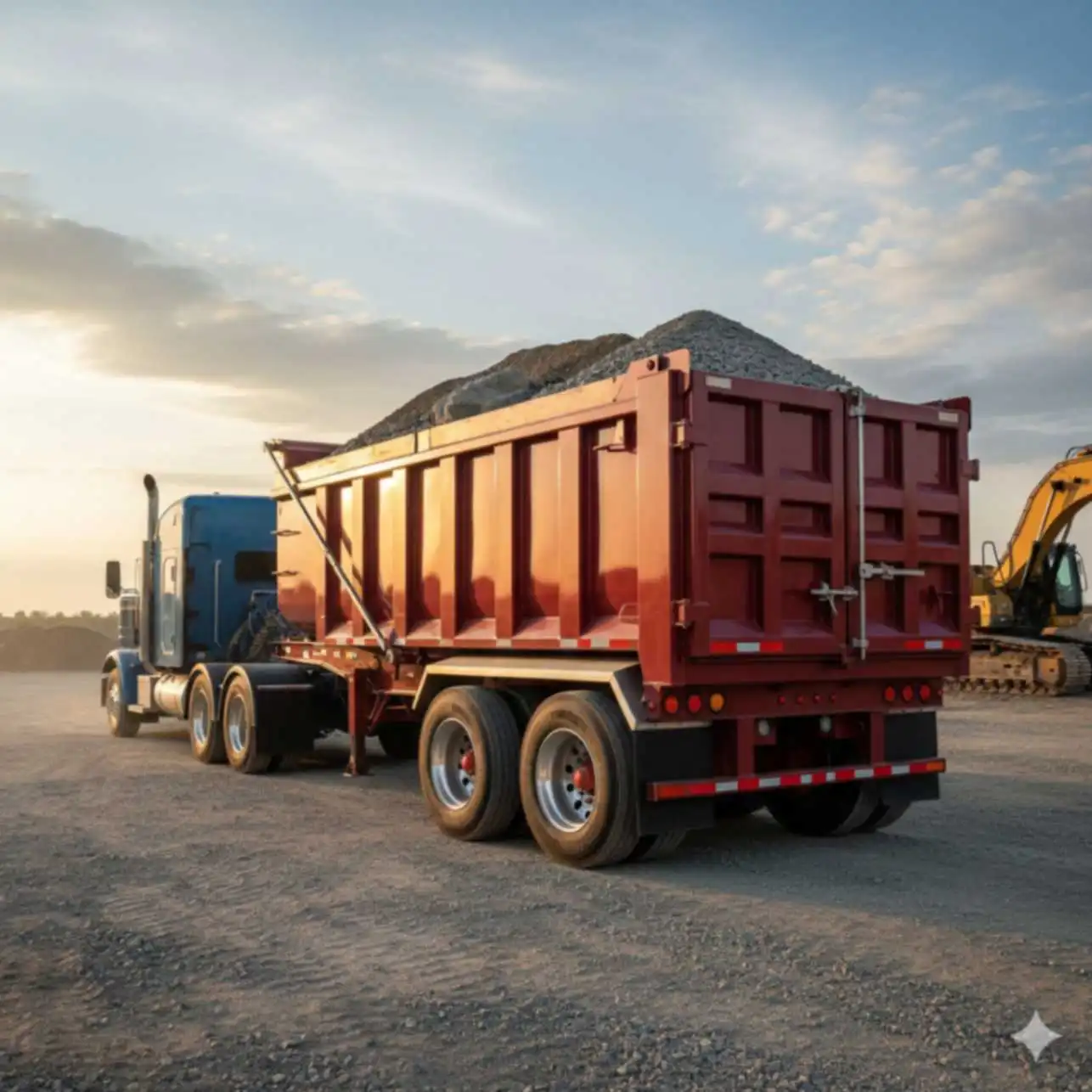
Suspension also matters:
- Spring suspension: Durable and economical.
- Torsion suspension: Provides a smoother ride and less maintenance.
3.4 Hydraulic Systems
The hydraulic lift system is what makes a dump trailer… well, a dump trailer. There are three main types:
- Scissor lift: Most stable and powerful. Best for heavy or uneven loads.
- Telescopic cylinder: Provides a high lift angle, great for taller dumps.
- Dual-ram cylinders: Affordable but less stable than scissor lifts.
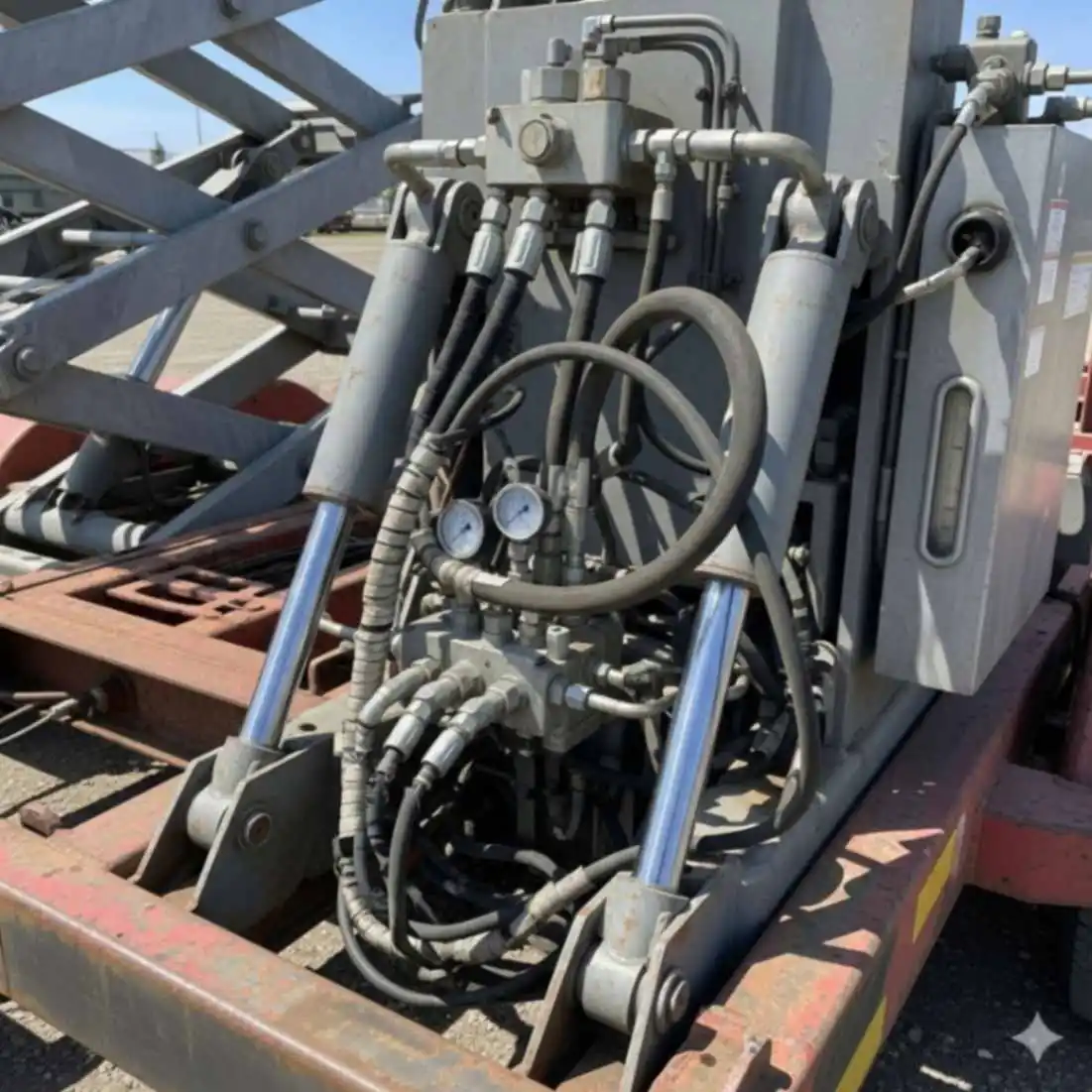
For businesses hauling heavy, dense material (like gravel or concrete), a scissor lift is usually worth the investment.
3.5 Material & Construction
Dump trailers are built from either steel or aluminum.
- Steel trailers: Strong and affordable but prone to rust. Great for most heavy-duty jobs.
- Aluminum trailers: Lighter, rust-resistant, but more expensive. Ideal if you work in wet or coastal environments.
Frame design also matters – look for reinforced cross members and heavy-gauge steel for durability.
3.6 Gates & Access Options
Not all dump trailers unload the same way. The gate design affects how quickly and efficiently you can empty your load.
- Barn doors: Swing open like double doors – simple and reliable.
- Spread gates: Allow material to “spread” evenly, perfect for gravel.
- Combo gates: Offer both swing and spread functions.
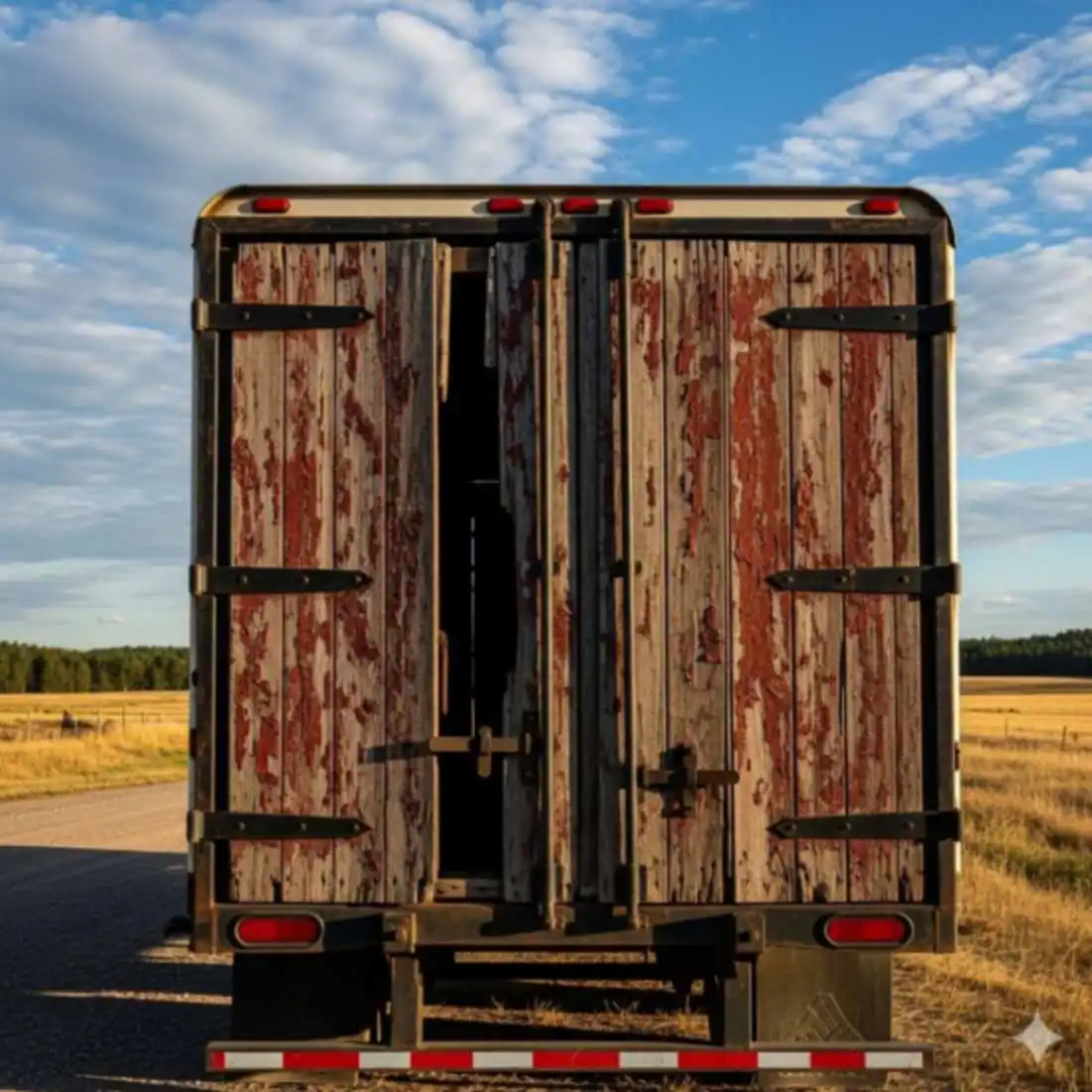
Think about the jobs you do most – hauling gravel? Get a spread gate. Hauling bulky debris? Barn doors may be better.
3.7 Truck Compatibility
One of the most common mistakes when selecting dump trailer for business is ignoring your truck’s tow rating. Just because a trailer can carry 14,000 lbs doesn’t mean your pickup can handle it. Always check:
- Truck’s tow capacity
- Hitch type (gooseneck, bumper pull, or fifth wheel)
- Brake controller compatibility
A good rule: match the trailer to your truck, not the other way around.
Comparing Dump Trailers: Matching the Right One to Your Business
Let’s break it down by business type.
1. Landscaping Businesses
- Best size: 10–12 ft.
- Capacity: 5,000–7,000 lbs
- Features: Single/tandem axle, barn doors
- Why: Mulch, topsoil, and small debris don’t need massive capacity.
2. Construction Companies
- Best size: 14–16 ft.
- Capacity: 10,000–12,000 lbs
- Features: Tandem axle, scissor lift, combo gate
- Why: Hauling dirt, shingles, and concrete requires durability.
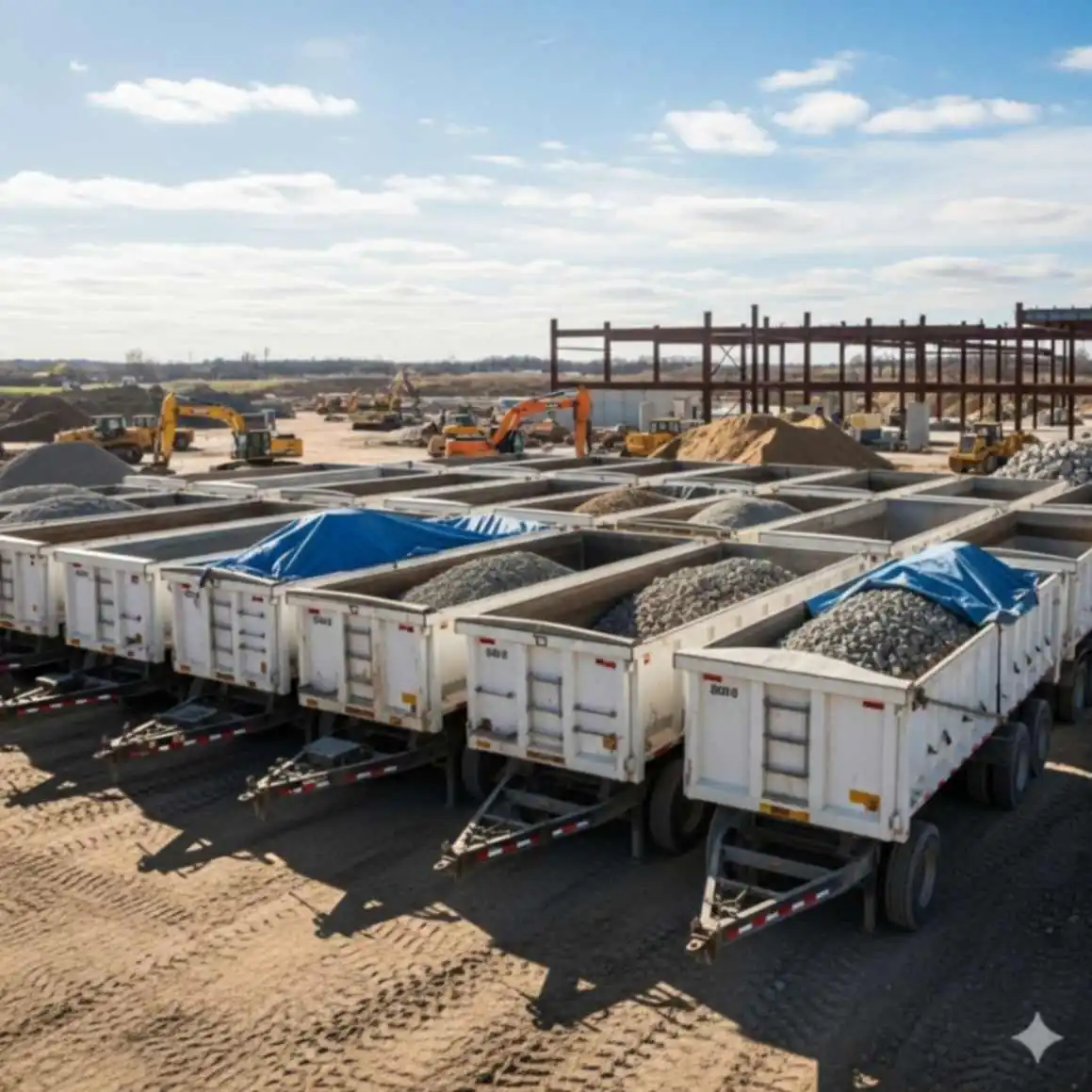
3. Farms & Agriculture
- Best size: 16–18 ft.
- Capacity: 12,000–14,000 lbs
- Features: Tandem axle, barn doors, reinforced frame
- Why: Moving hay, feed, or crops in bulk requires space.
4. Demolition & Heavy Industry
- Best size: 18–20+ ft.
- Capacity: 14,000+ lbs
- Features: Tandem axle, scissor lift, spread gate
- Why: Heavy debris like concrete and scrap needs max power.
Mistakes to Avoid When Choosing a Dump Trailer for Business
- Undersizing – Leads to wasted trips and labor.
- Oversizing – Adds cost and may strain your truck.
- Ignoring maintenance needs – Steel trailers rust fast without care.
- Skipping hydraulics research – A weak system = breakdowns.
- Buying only on price – Cheap trailers cost more in the long run.
New vs. Used Dump Trailers
Buying new has obvious benefits – warranty, fresh hydraulics, latest features. But used can save thousands if you know what to look for.
Check used trailers for:
- Rust on the frame and bed
- Hydraulic leaks
- Worn tires and brakes
- Bent axles
- Cracks in welds
If buying used, bring a mechanic or trailer expert to inspect before you commit.
Cost vs. Value: What to Expect?
Dump trailers typically range from $5,000 to $15,000+ depending on size, features, and build quality.
But price alone doesn’t tell the whole story. Consider:
- Fuel savings: Bigger loads = fewer trips.
- Labor savings: Less unloading time.
- Resale value: A well-maintained trailer holds its value.
The “cheapest” trailer often becomes the most expensive when it breaks down after a year.
Financing and Ownership Tips
- Financing options: Many dealers offer equipment loans with flexible terms.
- Leasing vs. buying: Leasing can make sense for seasonal businesses.
- Maintenance plan: Schedule regular inspections on hydraulics, brakes, and tires.
Treat your trailer like a truck – it’s an investment that pays back with care.
Conclusion
The right dump trailer for your business isn’t always the biggest or the fanciest—it’s the one that truly matches your work. At Phoenix Trailer Depot, we remind you to think about your loads, your truck, and your budget before making a choice.
Compare dump trailer sizes, capacity, gate types, and hydraulic systems carefully.
Don’t cut corners, but don’t buy more than you need either. When you align your needs with the right trailer, you’ll find the best dump trailer for your business—a reliable partner that saves time, money, and headaches for years to come.
Frequently Asked Questions
1. What size dump trailer is best for landscaping?
A 10–12 ft. trailer with a 5,000–7,000 lb capacity is usually enough for mulch, soil, and light debris.
2. How much weight can dump trailers carry?
Most dump trailers range from 5,000 lbs for light-duty up to 14,000+ lbs for heavy-duty models.
3. Which hydraulic system is best for a dump trailer?
Scissor lifts are the most stable and powerful, ideal for heavy or uneven loads.
4. Should I choose steel or aluminum for my dump trailer?
Steel is strong and affordable but can rust. Aluminum is rust-resistant and lighter but more expensive.
5. What’s better for business – new or used dump trailers?
New trailers offer warranties and reliability. Used can save money but must be inspected carefully for rust, hydraulic issues, or axle problems.
Leave a Reply