
 Reviews


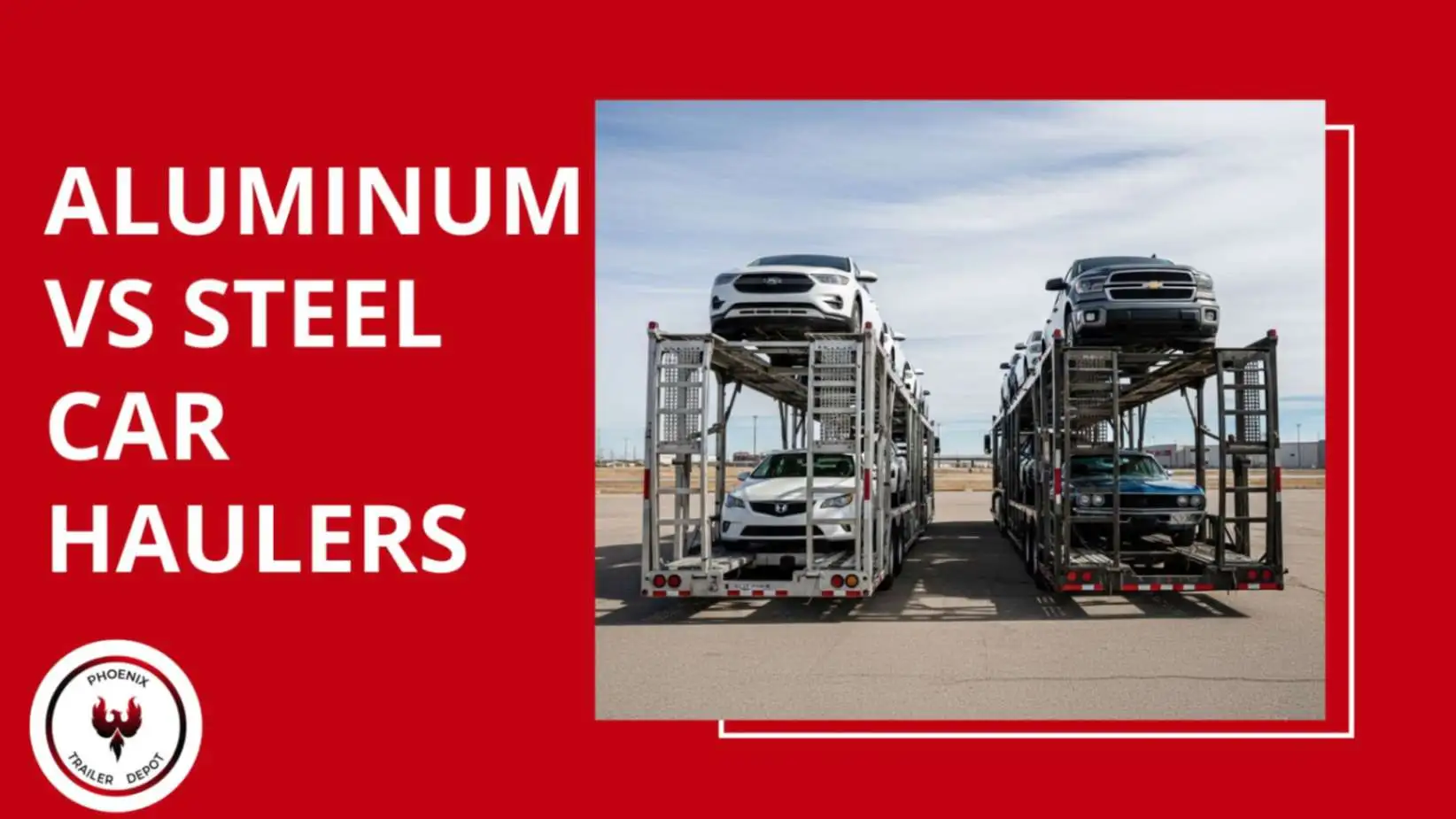
When it comes to transporting vehicles safely and efficiently, choosing the right trailer material is one of the most important decisions you will make. Among the most popular options, aluminum car haulers and steel car haulers dominate the market.
Each comes with unique strengths, drawbacks, and costs, and the choice ultimately depends on your priorities such as budget, durability, weight, and maintenance.
If you are considering buying a car hauler, this guide will break down everything you need to know about aluminum vs steel car haulers, providing a side-by-side comparison that helps you choose the best fit for your needs.
Overview of Car Hauler Materials
Car haulers are designed to transport cars, trucks, or other vehicles from one place to another. These trailers are typically built using either aluminum or steel.
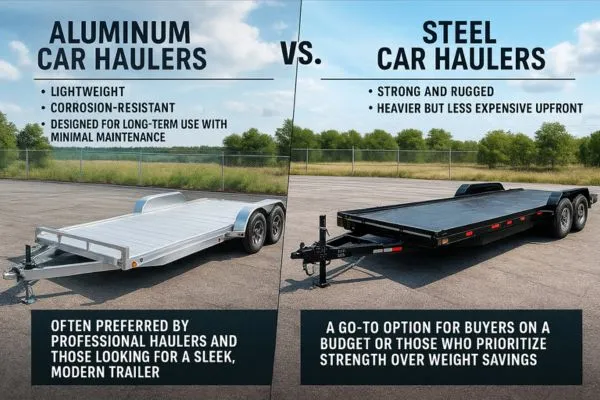
a. Aluminum Car Haulers: Lightweight, corrosion-resistant, and designed for long-term use with minimal maintenance. Often preferred by professional haulers and those looking for a sleek, modern trailer.
b. Steel Car Haulers: Known for their strength and ruggedness. Steel trailers are heavier but also less expensive upfront, making them a go-to option for buyers on a budget or those who prioritize strength over weight savings.
Understanding how these materials perform in real-world situations is crucial before making your purchase.
Key Differences Between Aluminum vs Steel Car Haulers
1. Weight and Towing Efficiency
Weight plays a significant role in how a trailer performs on the road.
a. Aluminum Car Haulers: Aluminum trailers are considerably lighter than steel trailers. The reduced weight means they put less strain on your tow vehicle, leading to better fuel efficiency. In some cases, a lighter-duty truck or SUV may be sufficient to tow an aluminum hauler. This is especially beneficial if you are covering long distances frequently.
b. Steel Car Haulers: Steel trailers are heavier, which provides a sense of sturdiness but also requires a more powerful tow vehicle. The additional weight can reduce fuel efficiency and limit towing options, particularly for those who do not own a heavy-duty truck.
2. Durability and Strength
Durability is often the deciding factor for many buyers.
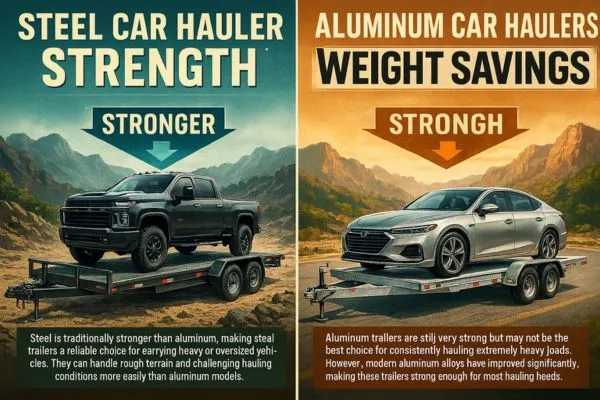
a. Steel Car Haulers: Steel is traditionally stronger than aluminum, making steel trailers a reliable choice for carrying heavy or oversized vehicles. They can handle rough terrain and challenging hauling conditions more easily than aluminum models.
b. Aluminum Car Haulers: Aluminum trailers are still very strong but may not be the best choice for consistently hauling extremely heavy loads. However, modern aluminum alloys have improved significantly, making these trailers strong enough for most hauling needs.
3. Corrosion Resistance and Maintenance
One of the biggest differences between aluminum and steel lies in their reaction to weather and environmental conditions.
a. Aluminum Car Haulers: Aluminum is naturally resistant to rust and corrosion. Even when exposed to rain, snow, or road salt, aluminum trailers maintain their structural integrity with minimal upkeep. This makes them ideal for buyers who want a low-maintenance option that lasts for years.
b. Steel Car Haulers: Steel is prone to rust if not properly treated and maintained. Regular cleaning, painting, or coating is required to protect the trailer from corrosion. For buyers willing to invest time in maintenance, steel trailers can still offer long-lasting performance.
4. Lifespan and Resale Value
The lifespan of a trailer and its ability to retain value are important considerations for long-term owners.
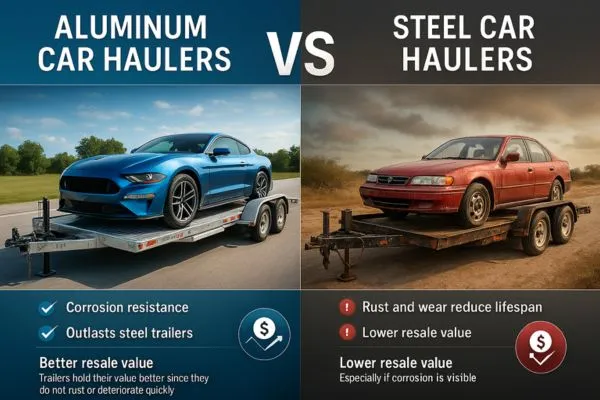
a. Aluminum Car Haulers: Because of their corrosion resistance, aluminum trailers typically outlast steel ones. They also hold their resale value better since they do not rust or deteriorate as quickly.
b. Steel Car Haulers: While steel trailers are strong, rust and wear can reduce their lifespan if not carefully maintained. Their resale value is generally lower compared to aluminum trailers, especially if corrosion is visible.
5. Cost Considerations
The budget often influences the decision between aluminum and steel.
a. Steel Car Haulers: Steel trailers usually have a lower upfront cost, making them attractive for buyers who need strength but want to save money initially. However, long-term costs may add up due to higher maintenance requirements.
b. Aluminum Car Haulers: These trailers tend to cost more at purchase, but the long-term savings in fuel efficiency, reduced maintenance, and higher resale value can offset the initial expense.
6. Appearance and Aesthetics
For many buyers, the way a trailer looks is also important.
a. Aluminum Car Haulers: Aluminum trailers have a clean, polished, and modern look. Their shiny exterior often appeals to buyers who want a professional presentation when transporting vehicles.
b. Steel Car Haulers: Steel trailers have a rugged appearance. While they can be painted or coated in different colors, their finish may require more maintenance to stay attractive over time.
Pros and Cons Summary Table
Here is a clear side-by-side comparison of aluminum and steel car haulers:
| Feature | Aluminum Car Haulers | Steel Car Haulers |
| Weight | Lightweight, easy to tow, fuel efficient | Heavy, requires stronger tow vehicle |
| Strength | Strong but best for moderate loads | Extremely strong, great for heavy-duty use |
| Corrosion Resistance | Naturally rust-resistant | Prone to rust, requires coatings |
| Maintenance | Low-maintenance | Higher maintenance needs |
| Lifespan | Long lifespan, holds value well | Shorter if not maintained |
| Cost | Higher upfront cost, lower long-term cost | Lower upfront cost, higher long-term cost |
| Appearance | Sleek, polished look | Rugged, can be painted or coated |
| Resale Value | High resale value | Lower resale value |
Which One Should You Choose?
The decision between aluminum and steel comes down to your specific needs, preferences, and budget.
A. Choose Aluminum Car Haulers if:
– You want a lightweight trailer that improves fuel efficiency.
– You prefer a trailer with minimal maintenance needs.
– You plan to keep your trailer long-term and want a higher resale value.
– You frequently drive in areas with rain, snow, or road salt where corrosion is a concern.
B. Choose Steel Car Haulers if:
– You want maximum strength for heavy or oversized loads.
– You are working with a smaller budget and want a more affordable option upfront.
– You do not mind investing time and money into regular maintenance.
– You need a rugged trailer for short-term or occasional heavy-duty use.
Ultimately, there is no one-size-fits-all answer. The right choice depends on what you value most in a car hauler.
Conclusion
Both aluminum and steel car haulers have their advantages, and the best choice depends on your hauling needs, budget, and preferences. Steel trailers are strong, affordable, and rugged, making them a great option for heavy-duty use if you do not mind extra maintenance.
On the other hand, aluminum car haulers offer long-term durability, corrosion resistance, fuel efficiency, and higher resale value, making them the preferred choice for many buyers who want a reliable investment.
If you are ready to explore high-quality aluminum and steel car haulers, visit Phoenix Trailer Depot today. Our team can help you find the perfect trailer to fit your needs and budget. Contact us now and make your next hauling experience smooth, safe, and dependable.
FAQs
1. Are aluminum car haulers strong enough for daily use?
Yes. Modern aluminum trailers are designed with strong alloys and construction methods, making them suitable for everyday use. However, steel may be better for extremely heavy loads.
2. Do steel haulers rust quickly?
Steel trailers can rust if left untreated, especially in areas with moisture and road salt. Regular maintenance and protective coatings can significantly extend their lifespan.
3. Which one has better resale value?
Aluminum car haulers generally hold their resale value better because they resist rust and maintain their appearance longer than steel trailers.
4. Can aluminum trailers carry the same load as steel ones?
Aluminum trailers can carry most standard loads without issue. For extremely heavy-duty use, steel trailers may provide additional strength.
5. Is the higher cost of aluminum worth it?
For many buyers, yes. While aluminum trailers cost more upfront, their lower maintenance needs, fuel efficiency, and higher resale value often make them a smarter long-term investment.
Leave a Reply