
 Reviews


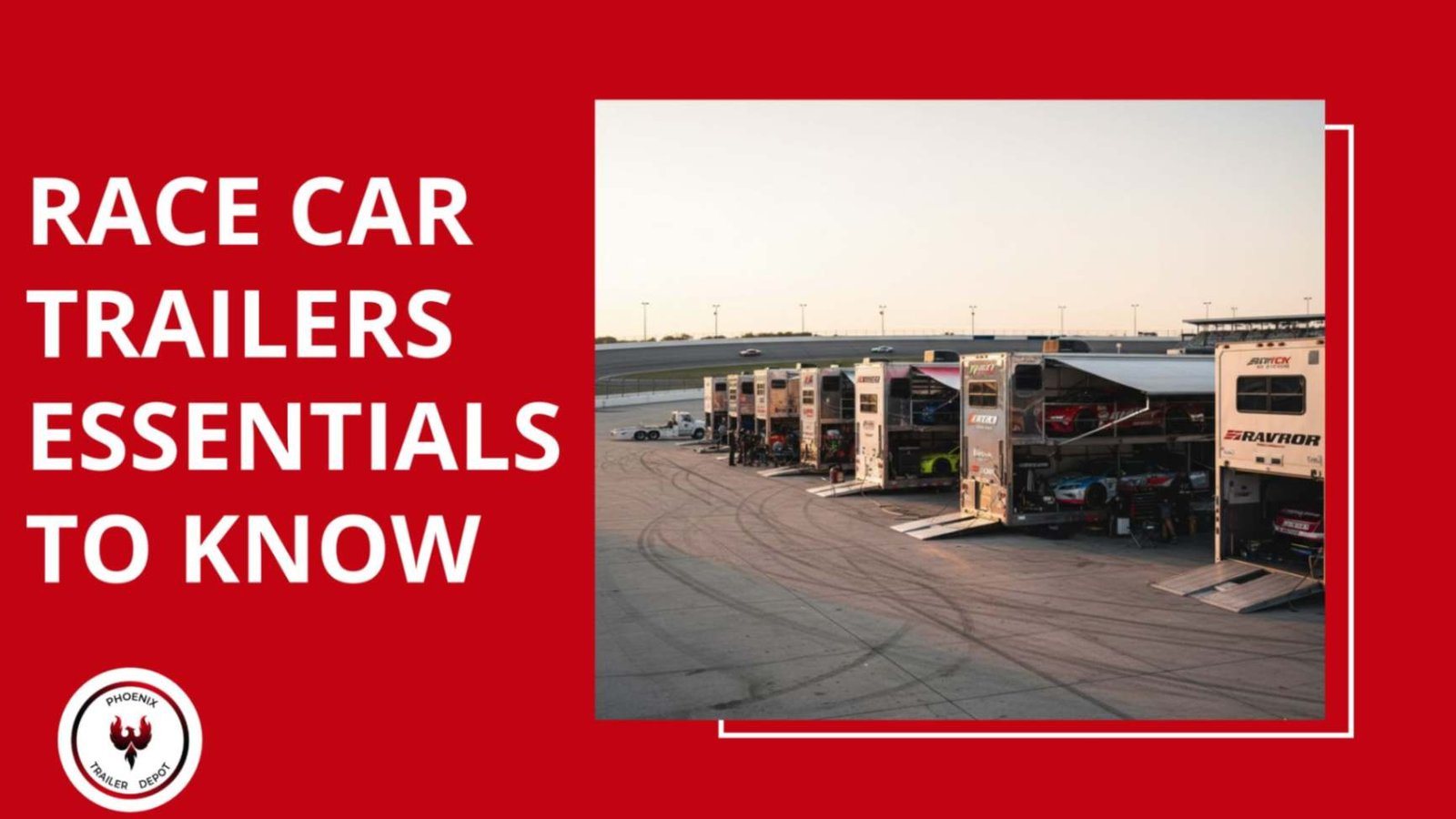
If you’ve ever been part of a race weekend, you know that getting your car to the track is sometimes just as stressful as the race itself. Between the gear, the spare tires, the tools, and that one team member who swears they packed the jack – things can get messy fast.
That’s where the race car trailers comes in. It’s not just a box to haul your car. It’s your team’s mobile headquarters, your rolling garage, and sometimes even your temporary home away from home.
But here’s the catch – not all trailers are built the same. A lot of amateur or semi-pro teams struggle to find the right balance between space, safety, and functionality. Too small, and you’re crammed. Too fancy, and you’re broke.
This guide is going to walk you through everything – from understanding what a race car trailer really does, to the key features that make one worth your money. By the time you’re done reading, you’ll know exactly what to look for, what to avoid, and how to pick a trailer that’ll actually make race weekends smoother.
Why Race Car Trailers Matter So Much?
Ask anyone who’s been in motorsports for a while – reliability on the track starts with reliability off the track. Your trailer isn’t just for hauling; it’s where you prep, tune, and store your entire operation.
A good race car trailer protects your investment. It keeps your car safe from the weather, stores all the critical gear, and helps you roll into any event ready to go. For many teams, it’s also the place where late-night wrenching and early-morning coffee happen before a big race.
Key takeaways:
- Your trailer is your mobile pit, storage, and safe zone.
- A reliable setup saves you time, stress, and money.
- Good logistics make for smoother race weekends.
Common Problems Teams Run Into
Let’s be honest – most teams don’t realize what they need until they’ve already bought the wrong trailer. One of the most common issues? Space. Once you load the car, there’s suddenly no room for the tires, the compressor, and that huge toolbox you thought would fit.
Weight distribution is another headache. If things aren’t balanced correctly, the trailer will sway, your truck will struggle, and your nerves will be shot halfway to the track. Add in the lack of ventilation or power outlets, and you’ll quickly see why planning ahead matters.
Key takeaways:
- Most teams underestimate how much space they’ll need.
- Uneven weight causes serious towing issues.
- Don’t forget ventilation and power – you’ll regret it later.
Types of Race Car Trailers
1. Enclosed Race Car Trailers
If you’re serious about protecting your car, this is the gold standard. Enclosed race car trailers keep your vehicle safe from rain, dirt, and unwanted eyes. They also give you plenty of space for tools, parts, and team branding – so when you roll into the paddock, you look like you mean business.
The bonus? Security. You can lock everything up and sleep easy at night knowing your car and gear are safe.
Key takeaways:
- Best protection from weather and theft.
- Perfect for pro or semi-pro teams.
- Adds professionalism and sponsor visibility.
2. Open Race Car Trailers
If you’re running local races or weekend events, an open race car trailer can get the job done without breaking the bank. They’re lighter, cheaper, and easier to tow with a regular pickup.
The downside is exposure. Your car is open to the elements, and overnight parking can be a bit nerve-wracking. Still, for grassroots racers, it’s a solid and practical choice.

Key takeaways:
- Affordable and simple to maintain.
- Great for short-distance hauling.
- Offers zero weather or theft protection.
3. Stacker Trailers
Stacker race car trailers are the dream for teams running multiple cars. They let you load vehicles in tiers – one above the other – which makes them incredibly space-efficient.
They do, however, require a heavy-duty truck and a healthy budget. These things are impressive, but they’re not for beginners.
Key takeaways:
- Transports multiple cars safely and efficiently.
- Great for large or pro teams.
- High cost and complex setup.
4. Custom-Built Race Car Trailers
Some teams prefer to design their trailers from the ground up. Custom-built race car trailers can include everything from tool drawers and tire racks to sleeping quarters and mini kitchens.
The only catch? Cost and time. Many teams underestimate both. If you go this route, plan early and make sure you’re working with a builder who understands motorsports.
Key takeaways:
- 100% tailored to your team’s workflow.
- Add living space or workshops as needed.
- Expect higher prices and longer build times.
Essential Features Every Race Car Trailer Should Have
1. Structural Quality and Frame Design
You can have the prettiest trailer on the lot, but if it’s built cheap, it won’t survive long. Look for aluminum or steel frames with reinforced floors – especially where your car’s wheels will rest.
Racing gear is heavy. A weak frame will twist, crack, or even collapse under stress. Invest in quality up front and it’ll pay you back for years.
Key takeaways:
- Go for a strong aluminum or steel frame.
- Reinforce high-stress areas.
- Cheap trailers usually fail under motorsport loads.
2. Interior Layout and Storage Solutions
When it comes to trailers, chaos is your enemy. You need space for tires, fluids, tools, spare parts, and still enough room to walk without tripping.
Built-in cabinets, wall-mounted racks, and E-track systems help keep things in order. A small workbench is a great addition for last-minute fixes or adjustments before you roll out.
Key takeaways:
- Keep everything organized and accessible.
- Use racks, cabinets, and tie-downs smartly.
- A tidy trailer saves time and reduces stress.
3. Loading and Accessibility Features
Ever tried pushing a low-slung race car up a steep ramp? Yeah, it’s not fun. Make sure your trailer has a proper ramp angle or a liftgate setup if you run low vehicles.
Side doors are also a lifesaver when you need to hop in and out without unloading everything. And don’t overlook lighting – being able to see what you’re doing after dark is worth every penny.
Key takeaways:
- Choose ramps or liftgates based on car height.
- Add side entry for quick access.
- Interior lighting makes a world of difference.
4. Climate Control and Ventilation
Race cars and heat don’t mix well. Neither do people. Trailers get hot fast, especially in the summer sun. Roof vents, insulation, and even small AC units can make a massive difference in comfort and equipment longevity.
A little airflow can keep your tires, electronics, and fluids in better shape – and keep your crew from melting before qualifying.

Key takeaways:
- Good ventilation protects both people and gear.
- AC or fans help regulate temperature.
- Keeps the trailer usable year-round.
5. Electrical and Power Systems
Modern racing teams rely heavily on power. You’ll need it for tools, laptops, lights, fans, and maybe even a fridge or TV.
Look for trailers wired with 12V and 110V systems, with outlets placed conveniently around the workspace. Some teams even install generators or solar setups for off-grid power.

Key takeaways:
- Plan for power – you’ll need more than you think.
- Use both AC and DC outlets.
- Consider a generator or solar for flexibility.
6. Safety and Security Features
Safety doesn’t stop at the track. Your trailer should have tie-down points, E-tracks, wheel chocks, and locks that don’t pop open on bumpy roads.
Keep fire extinguishers, first aid kits, and a few emergency tools inside too. Accidents happen – but preparation prevents disaster.
Key takeaways:
- Secure vehicles and gear properly.
- Always carry fire and safety gear.
- Invest in strong locks and alarms.
7. Communication and Technology Integration
Today’s racing isn’t just about horsepower – it’s about data. Having radios, Wi-Fi, or telemetry setups inside your trailer helps your team stay connected and make real-time adjustments.
Even smaller teams can benefit from this. A basic comms system can turn a good weekend into a great one.
Key takeaways:
- Tech setups improve teamwork and efficiency.
- Wi-Fi or radio integration saves time.
- Makes data analysis faster post-race.
8. Branding and Presentation Options
First impressions matter. When you roll up with a clean, branded trailer, it tells people your team is serious. Sponsors love visibility, and a good vinyl wrap is basically a moving advertisement.
Key takeaways:
- Your trailer represents your team’s image.
- Branding attracts sponsors and fans.
- A polished look adds professionalism.
Additional Features for Advanced Teams
1. Living Quarters and Comfort Amenities
If you’re traveling often or hitting back-to-back races, living quarters are a lifesaver. A small sleeping area, kitchenette, or shower turns long weekends into manageable ones.
A rested team is a sharper team. Comfort pays off more than people realize.

Key takeaways:
- Built-in rest areas keep your crew sharp.
- Ideal for long-distance or multi-day events.
- Adds convenience (and sanity) to the schedule.
2. Onboard Workshop Setup
Having a dedicated workspace with tools, lights, and air compressors makes all the difference. Think of it as bringing your pit garage with you.
When something breaks, you fix it – right there, right then. That’s how good teams stay consistent.
Key takeaways:
- Onboard workshop saves time during events.
- Keeps repairs and maintenance efficient.
- Gives you full control over trackside problems.
3. Data and Performance Monitoring
Top-level teams track everything – lap times, temperatures, performance data – you name it. Integrating telemetry setups into your trailer lets you analyze runs on the spot and adjust before the next race.
Key takeaways:
- Data tracking leads to smarter racing.
- Helps identify problems faster.
- Essential for serious competition.
How to Choose the Right Race Car Trailer
Step 1: Define Your Racing Goals and Vehicle Needs
Start with what kind of racing you’re doing – drag, dirt, drift, or circuit. The type of car and how many vehicles you run determines your trailer’s size and layout.
Key takeaways:
- Tailor the trailer to your racing style.
- Plan for current and future vehicles.
- Size matters – but smart design matters more.
Step 2: Determine Budget and Towing Capacity
Don’t overmatch your truck. Every vehicle has a towing limit, and ignoring it is asking for trouble. Also, remember that bigger trailers mean more maintenance, fuel, and storage costs.
Key takeaways:
- Match trailer weight to tow vehicle limits.
- Balance size, cost, and practicality.
- Don’t forget long-term operating expenses.
Step 3: Consider Future Scalability
Think about where your team is headed. Maybe you’ll add another car or expand your gear. It’s smarter to plan for growth now than start over later.
Key takeaways:
- Look for modular or expandable designs.
- Plan for future upgrades.
- Flexibility pays off down the road.
Step 4: Research Reliable Manufacturers
Not all trailers are created equal. Stick with brands known for motorsport builds – ones that back their work with real warranties and customer support.
Key takeaways:
- Choose reputable builders with racing experience.
- Read real user reviews.
- A good warranty is worth its weight in gold.
Step 5: Inspect Before You Buy
Before you sign anything, get hands-on. Look underneath, check the welds, flooring, wiring, and hinges. If it feels flimsy, walk away – it’ll only get worse over time.
Key takeaways:
- Inspect structure and craftsmanship.
- Avoid weak materials or poor finishes.
- Trust your gut – if it feels off, it probably is.
Maintenance and Operational Tips
Take care of your race car trailer like you do your car. Check tire pressure, wiring, brakes, and bearings before every trip. Clean it out after each event – dust, oil, and grit can wear things down faster than you think.
And during the off-season? Store it somewhere dry and covered. Rust and moisture are the silent killers of every good trailer.
Key takeaways:
- Inspect regularly, especially before long hauls.
- Keep it clean to avoid corrosion and damage.
- Store it properly to extend its life.
Common Mistakes to Avoid
Here are a few hard-earned lessons:
- Don’t pick a trailer just because it “looks cool.” Function comes first.
- Never overload it – even if “it’s just one more set of tires.”
- Always secure your car and gear properly. One loose strap can ruin your weekend.
Key takeaways:
- Prioritize practicality over appearance.
- Keep loads balanced and safe.
- Good habits prevent big headaches.
Conclusion
A good race car trailer isn’t just about moving a vehicle – it’s about keeping your team running smoothly, safely, and efficiently. It’s the quiet part of motorsports that nobody cheers for, but everyone depends on.
The right trailer gives you confidence. It keeps your car protected, your gear organized, and your crew ready. So before your next big event, take a hard look at what you’re hauling – because in racing, the way you travel is part of the way you win.
Frequently Asked Questions
1. What size trailer do I need for one race car?
Most teams find that a 20–24 foot enclosed trailer comfortably fits one car plus tools and spares.
2. Aluminum or steel – which is better?
Aluminum’s lighter and resists rust, while steel’s stronger but heavier. It really depends on your budget and towing capacity.
3. Can I add living quarters later?
Yes, but plan ahead – plumbing and electrical setups are much easier to install from the start.
4. How often should I maintain my trailer?
Check everything before each race weekend. Tires, brakes, wiring – a quick inspection saves a ton of hassle later.
Leave a Reply